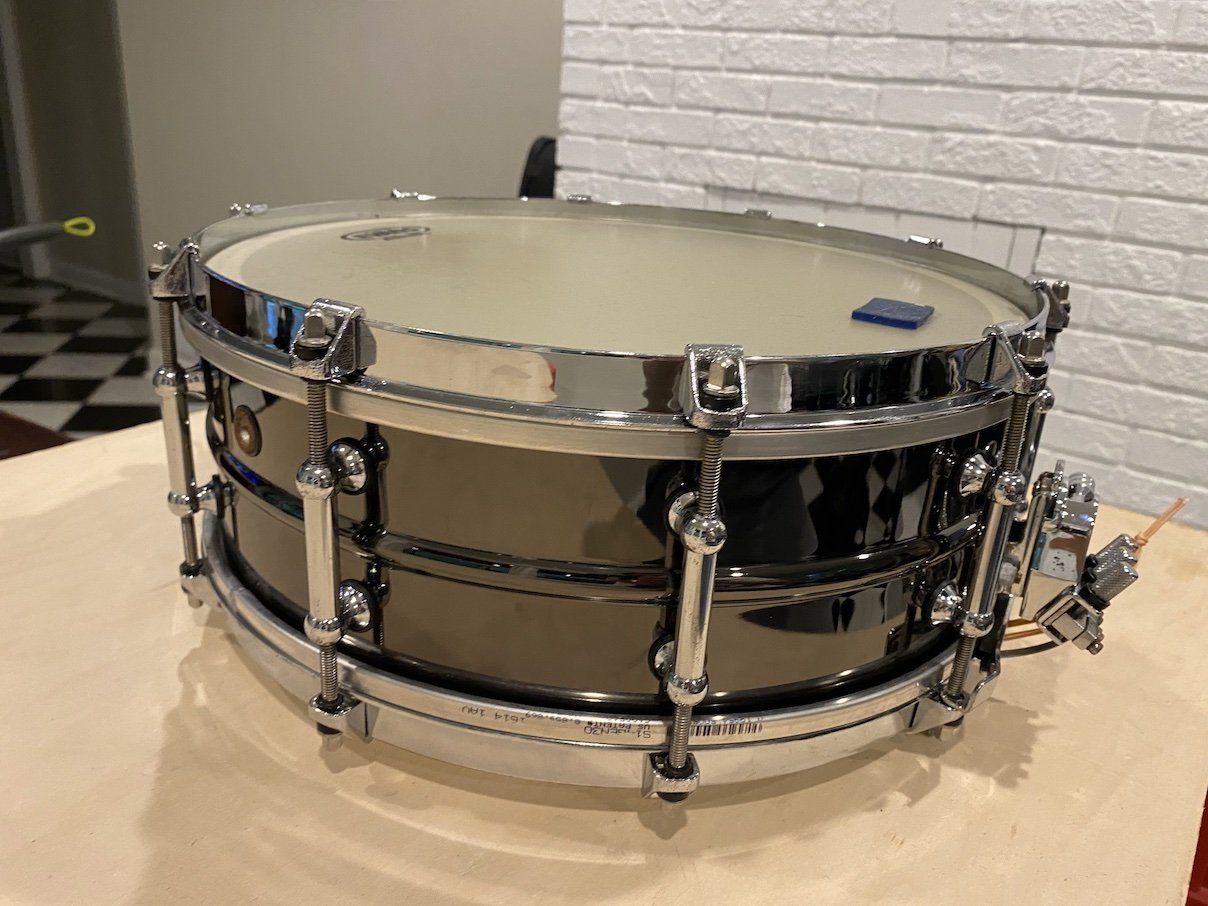
Most snare drum problems — dead tone, poor response, inconsistent snap — come down to six variables. Work through each one systematically and you will get to a snare drum that responds the way it should. Skip one and you will be chasing a problem that keeps coming back.
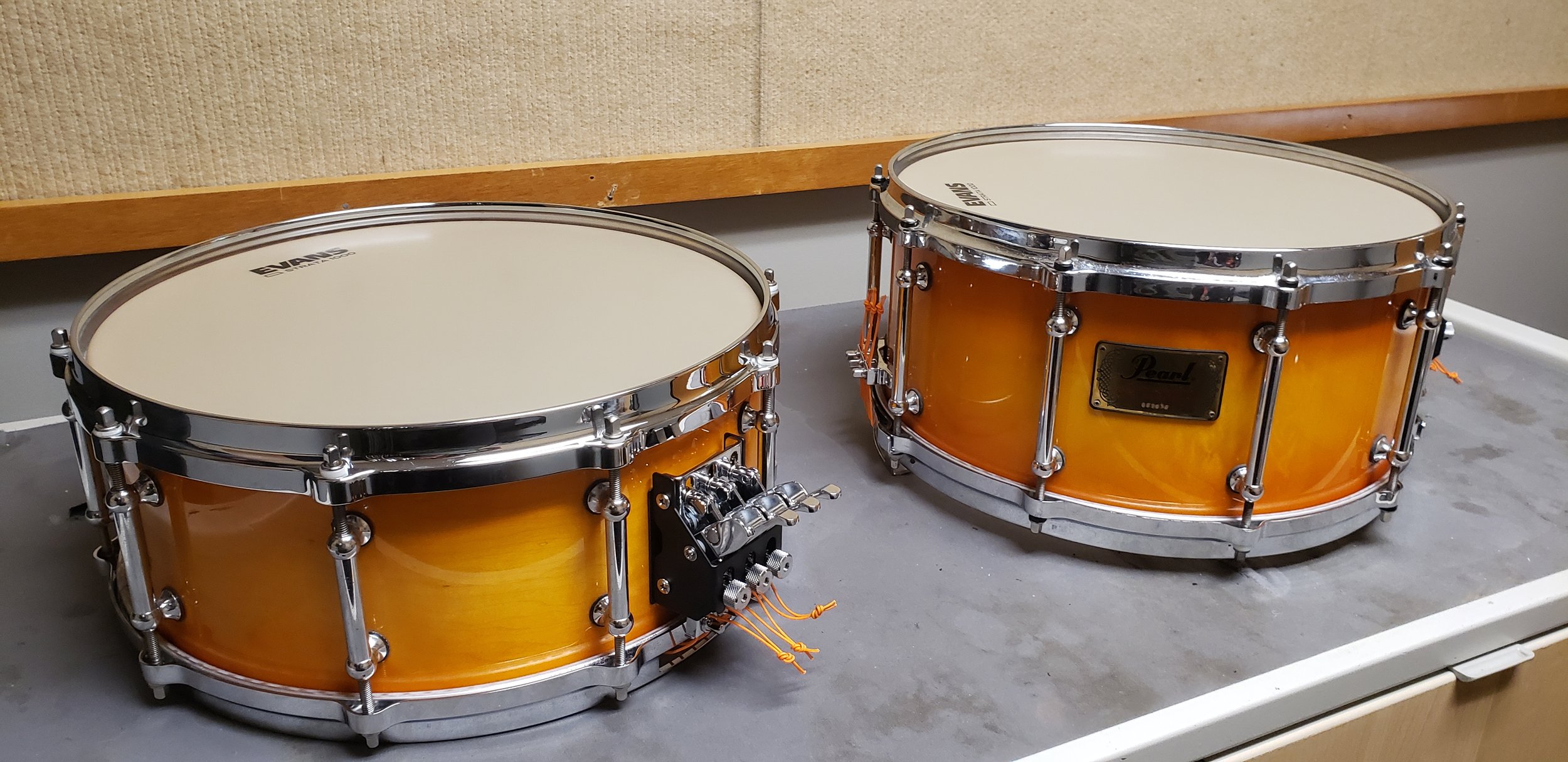
1. Shell material
The shell is the foundation everything else sits on. Wooden shells — maple, birch, or mahogany — produce a warmer, more resonant sound with a natural complexity in the overtones. Metal shells (brass, steel, aluminum, bronze) are brighter, more cutting, and more consistent. Neither is better in the abstract; the answer depends on your application.
Concert snare work, solo repertoire, and chamber settings generally favor wood. Marching and high-projection concert settings often favor metal. Brands like Pearl, Yamaha, and Black Swamp Percussion cover the full range of both categories if you are evaluating options.
2. Size
Standard orchestral snares measure 14 inches in diameter. Options run from 13 to 16 inches, with depth ranging from 5 to 8 inches in common models. A deeper drum produces a warmer, lower fundamental tone. A shallower drum gives you a sharper, more defined attack with less sustain — which reads clearly in a large ensemble.
For most school concert programs, a 14x6.5 or 14x8 wood snare covers the majority of repertoire. If your program regularly plays material that calls for a specific sound, it is worth being deliberate about this specification rather than using whatever the program inherited.
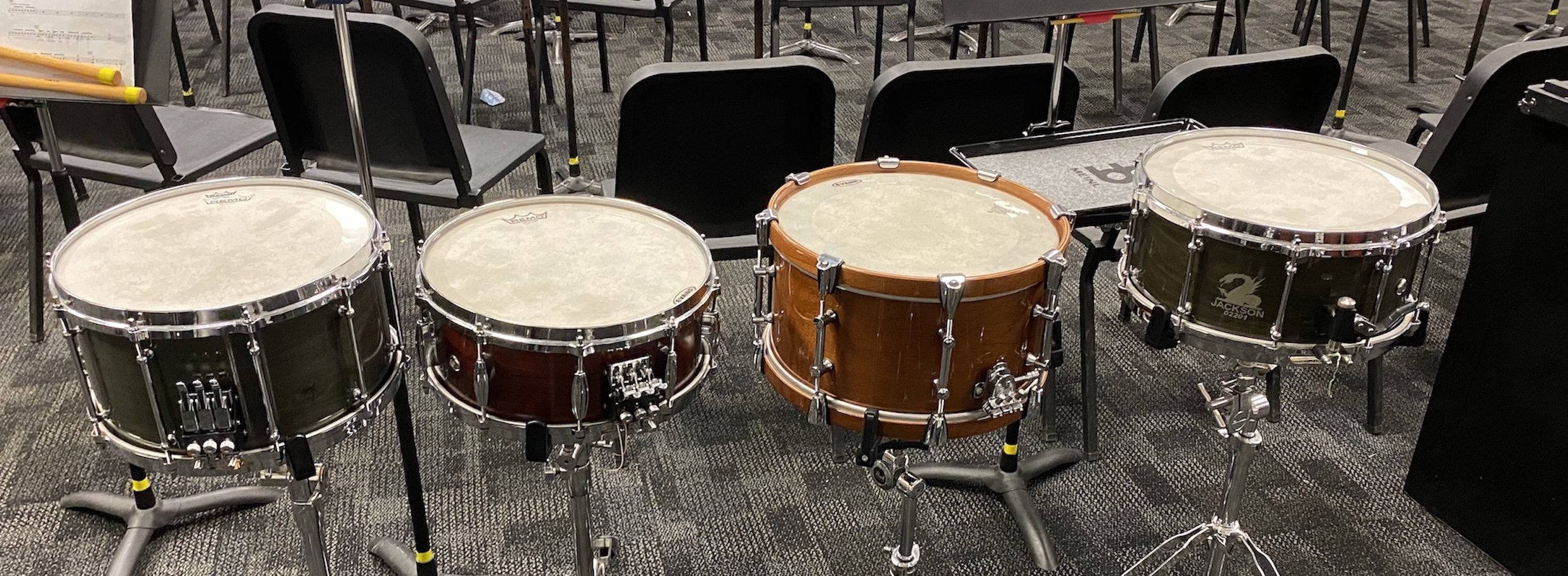
3. Head selection
The batter head shapes the character of everything the drum does. Coated heads produce a controlled, warmer attack with shorter sustain — they respond well to brush work and work in most concert settings. Clear heads project more aggressively and sustain longer, which can read better in large halls.
The bottom (resonant) head is often overlooked. It controls resonance and affects the snare response directly. A tight bottom head tightens up the snare wire response and makes the drum feel snappier. A looser bottom head opens up the tone but can make the snares feel sluggish.
Start with the batter head at your target pitch, then use the bottom head to tune the resonance and snare response to where you want it. If you need heads replaced professionally, snare drum service is part of our standard repair work.
4. Tuning
Work in a star pattern — go across the drum, not around it. This equalizes tension across all lugs and gives you a consistent pitch. Bring all rods to pitch gradually rather than taking any single rod to final tension in one pass.
Match pitch at every tension rod: tap the head about an inch from the rim near each lug and match the tone. Tune the top head slightly higher than the bottom for a richer, more complex tone. The exact pitches matter less than the consistency across the drum and the relationship between top and bottom.
5. Snare wire configuration
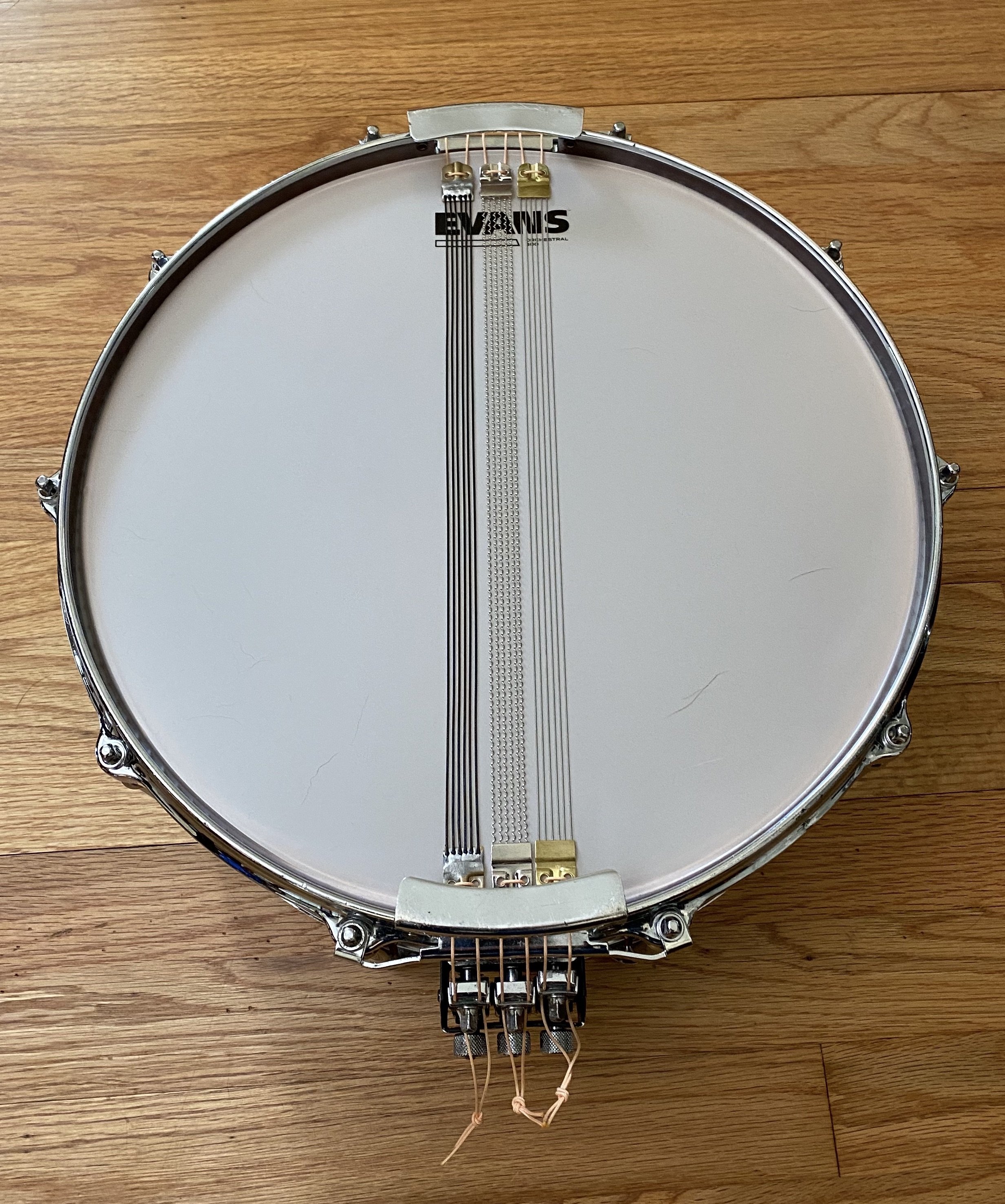
Steel snare wires produce brightness and definition. Brass wires are warmer and slightly less cutting. The material choice is a smaller variable than most players expect — the installation and tension adjustment matter more.
Tightly tensioned wires create a snappier, more defined response. Slightly looser tension gives you more sustain and a broader "spread" on the wires. Over-tensioning is more common than under-tensioning and results in a wire buzz that sounds wrong but is often misdiagnosed as a tuning problem.
If the wires are buzzing sympathetically during other instrument passages, loosen slightly before you try re-tuning the heads. For a system that keeps these problems from building up across an entire section, see our guide to building a percussion repair schedule.
6. Muffling
Muffling is the last adjustment, not the first. Foam, felt rings, or gel products (Moon Gel or similar) can reduce unwanted overtones, but they mask underlying tuning issues rather than resolve them. Use them when the drum is already in tune and you are making a deliberate tonal choice — not as a substitute for proper tuning.
Apply muffling in small amounts. You can always add more. Taking a well-tuned drum and loading it with gel or foam leaves you with a sound that is flat and unresponsive in ways that are harder to explain than they are to avoid. For programs with multiple snare drums that need consistent setup and upkeep, our maintenance programs include snare drum service as part of the regular visit.